
Where French Confectionery Meets the American Gulf Coast: The Story of the Pecan Praline
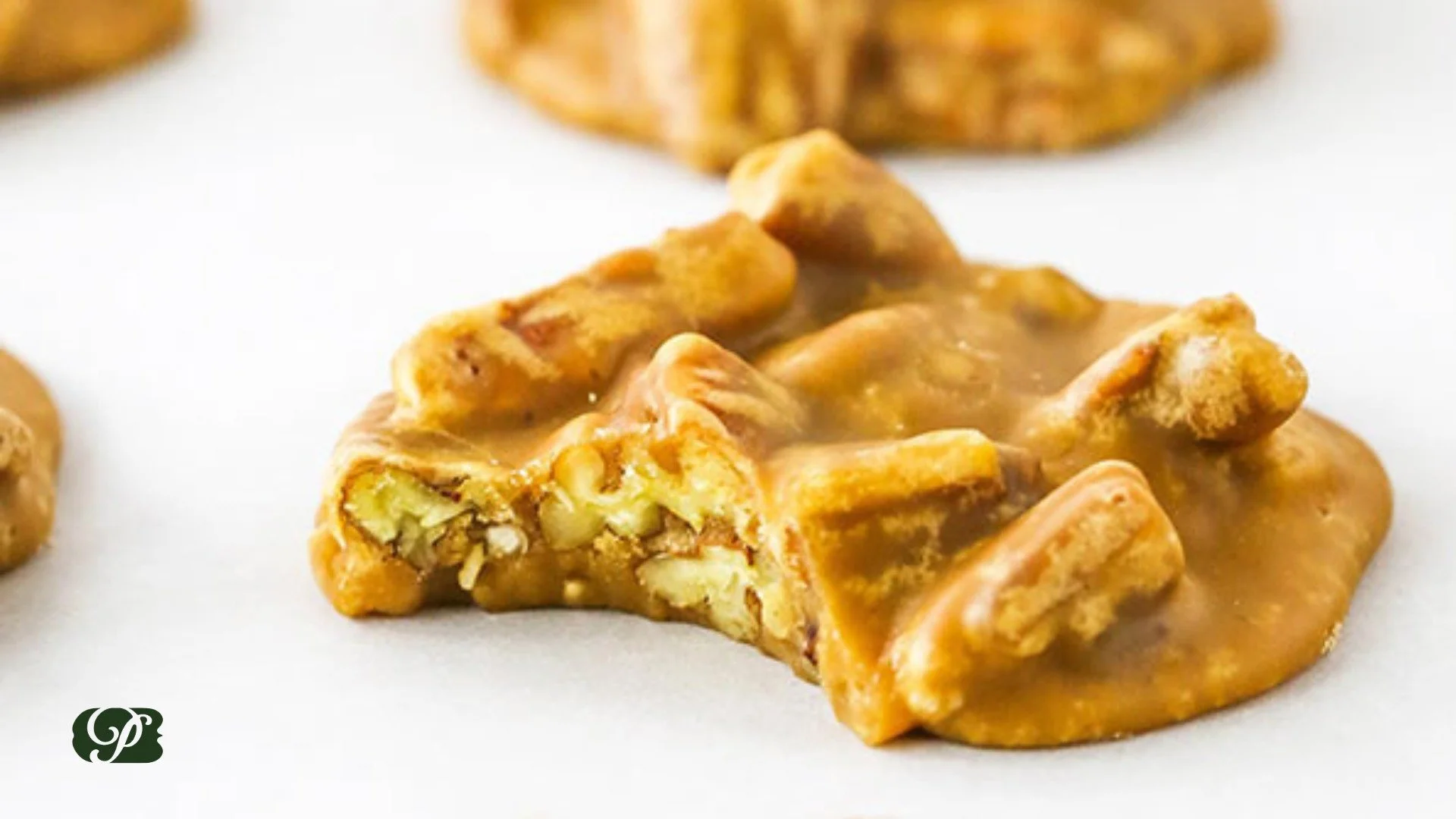
Some recipes exist because of precision.
Others exist because of place.
The Pecan Praline belongs firmly in the second group.
Long before it became a staple of New Orleans confectionery counters and holiday tables, the praline began in France as a simple confection made with sugar and nuts. Over time, it was refined through technique, patience, and careful control of heat. When French culinary tradition crossed the Atlantic and took root along the American Gulf Coast, it encountered something new: an abundance of pecans.
Pecans are native to North America and were plentiful along the rivers and coastal regions of the Deep South. In places like Ocean Springs, Mississippi, pecans moved from grove to dock by day boats and later via new rail routes that opened direct access to New Orleans. What began as a local harvest quickly became part of a growing regional—and eventually international—trade.
New Orleans, already shaped by strong French influence, became the place where French technique met local ingredients. French-trained cooks and confectioners adapted their traditional praline recipes by using pecans instead of almonds. With that simple substitution, an icon was born.
The Pecan Praline is more than a sweet. It reflects how food evolves when cultures meet—how classic French confectionery techniques were reshaped by local ingredients and the cooking styles of the Gulf Coast. Today, the Pecan Praline remains one of the clearest examples of French culinary influence adapted to American agriculture.
Ocean Springs, Mississippi sits quietly within the New Orleans Pecan Praline story.
While New Orleans became the center of praline culture, communities like Ocean Springs supplied the raw material. Pecans were transported efficiently by water and rail to New Orleans, just a short distance away. At the same time, the Port of New Orleans served as a key point of export for pecans grown in the region, including early papershell varieties developed in Ocean Springs, prized for their thin, easy-to-crack shells. From this corridor, pecans began moving to foreign ports, helping lay the foundation for the global pecan industry.
For professional kitchens, this history matters because it explains how pecans became embedded in bakery, confectionery, and dessert applications around the world. From the beginning, pralines relied on pecan pieces rather than whole halves—allowing sugar to coat evenly, heat to distribute consistently, and texture to remain balanced in every bite. For bakeries, pastry kitchens, and foodservice operators, this history still shapes how ingredients are chosen today—especially when selecting pecan pieces for bakeries and foodservice that perform consistently in confections and desserts.
That same logic applies today.
In modern bakeries, ice cream production, confectionery kitchens, and foodservice operations, premium pecan pieces for professional kitchens are often preferred over halves. Pieces offer consistent size, faster preparation, even coating during caramelization, and predictable performance across batches. Whether folded into pralines, inclusions, fillings, toppings, or frozen desserts, pecan pieces deliver reliability without sacrificing flavor.This versatility is why pecan pieces for confectionery and ice cream remain a staple ingredient in both traditional and modern dessert production.
To honor this lineage, we’re sharing a video that demonstrates an authentic New Orleans–style Pecan Praline made with care and precision.
An Authentic New Orleans Pecan Praline Recipe
Several years ago, during an online cooking class we hosted through our consulting business, FEAST Global, we invited Chef Dwayne Ingraham to demonstrate a traditional New Orleans–style Pecan Praline.
Chef Ingraham is a respected culinary professional with deep roots in New Orleans cuisine and a long career as a pastry chef at the highest level. He is also a friend. When we asked him to lead this class, his focus was not on shortcuts, but on technique—timing, temperature, and attention to detail.
This video was created to teach professionals and serious home cooks alike. It shows why Pecan Pralines depend on ingredient quality and why pecan pieces are essential for achieving even texture and consistent results. Watching it today, the lesson remains clear: classic recipes reward discipline and good ingredients.
Watch Chef Dwayne Ingraham demonstrate how to make authentic New Orleans Pecan Pralines 👉 https://youtu.be/cAwehKFvNvY
From France to New Orleans, and from Ocean Springs outward, the Pecan Praline tells a larger story about pecans themselves. Native, adaptable, and deeply connected to place, pecans continue to carry culinary tradition forward while supporting modern applications.
Today, this French–American lineage continues to influence bakeries, pastry kitchens, confectioners, and foodservice businesses well beyond the Gulf Coast—across the United States and internationally—where classic technique and high-quality ingredients are valued.
From day boats and railroads to bakery counters, ice cream cases, and production kitchens, the role of pecan pieces remains the same: consistent performance, balanced texture, and flavor that stands on its own.
Some connections endure because they work.
From bakery counters to production kitchens, many businesses rely on foodservice-ready pecan pieces to deliver consistency, texture, and flavor at scale.
Prime Pecan works with food businesses around the world seeking consistent, high-quality pecans for baking, foodservice, and specialty retail. For U.S.-based businesses, we ship pecan pieces directly to your business.
Frequently Asked Questions About Pecan Pralines & Pecan Pieces
-
A pecan praline is a traditional confection with French roots that evolved in New Orleans using locally available American pecans. It combines sugar, heat control, and pecans to create a caramelized confection with balanced texture and flavor.
-
Pecan pieces allow sugar to coat evenly, heat to distribute consistently, and texture to remain balanced. This makes them ideal for pralines and other confections where uniformity and repeatability matter.
-
Yes. In bakeries, confectionery production, ice cream manufacturing, and foodservice kitchens, pecan pieces are often preferred because they offer consistent size, faster preparation, and predictable performance across batches.
-
No. High-quality pecan pieces deliver the same rich, buttery flavor as halves when they are properly stored prior to use. The difference lies in functionality, not taste—pieces provide better distribution and consistency in finished products.
-
Pecan pieces are widely used by bakeries, pastry kitchens, confectioners, ice cream producers, caterers, and foodservice operators that require reliable ingredients for scaled production.
-
When sourced and handled properly, pecan pieces support premium applications by delivering consistent texture, clean flavor, and dependable results—qualities essential for high-end desserts and confections. “Pecan” on menu titles has proven to increase the price consumers will pay for the product because it is considered a premium nut.
-
Yes. Pecan pieces are used in classic recipes like pralines as well as modern applications such as inclusions, fillings, toppings, frozen desserts, and bakery items.