
Where French Pastry Meets American Pecans: A Holiday Recipe for Professional Kitchens
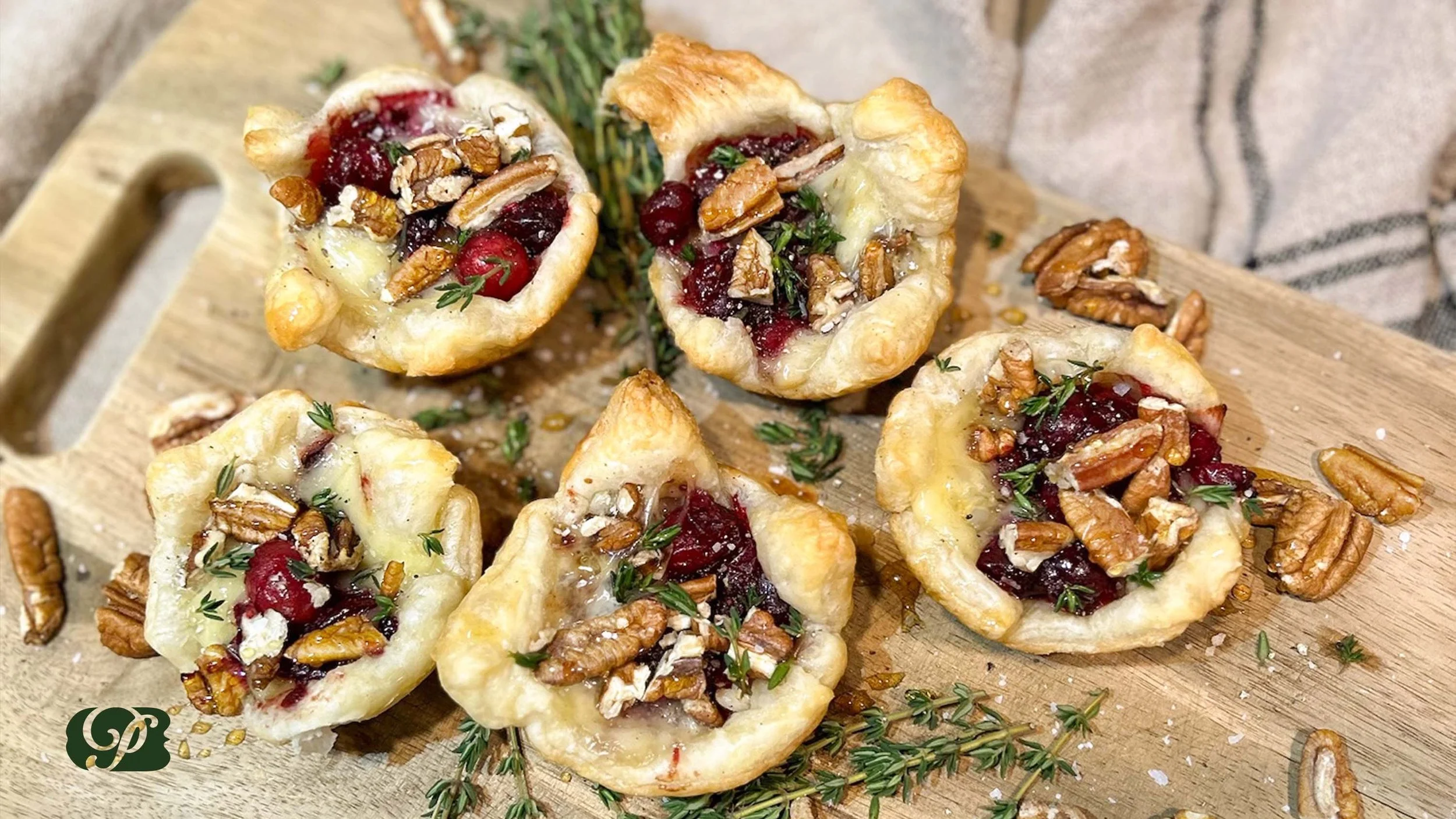
For bakeries, cafés, caterers, and foodservice kitchens, holiday recipes must do more than taste good. They must scale well, perform consistently, and save time without sacrificing quality.
This French-inspired Pecan Cranberry Brie Bites recipe was developed with those realities in mind. It highlights why pecan pieces for bakeries and foodservice are often the preferred format in professional kitchens—offering consistent size, even distribution, and reliable performance—while also demonstrating why freshness and proper storage are especially important when working with pieces as an ingredient.
What follows is both a recipe and a practical example of how French pastry inspiration and American pecans come together to support modern foodservice needs.
Finding Comfort and Simplicity in the Kitchen
Life rarely slows down just because the calendar says it’s the holidays.
This year, like many others, has been marked by movement, uncertainty, and constant change. Even so, kitchens remain places of focus and connection—where simple, well-executed food brings people together.
This week, our founders, Andy and Marianna Chapman have been in the kitchen developing a new recipe and menu inspiration using Prime Pecan pieces—designed to be comforting, efficient, and repeatable. It’s the kind of recipe that works just as well for a catering tray or appetizer menu as it does for a holiday gathering at home.
French Culinary Technique: Why Method Matters
As the pastry comes out of the oven and the triple cream brie softens just enough to melt into the layers, we’re reminded of the many weeks we spent in France this past year while building our Prime Pecan business in Europe.
French culinary culture emphasizes method rather than excess. Laminated dough, balance, restraint, and careful attention to texture are central. These principles are why French-inspired menu items continue to influence restaurant menus, bakeries, and cafés in every corner of the world, including here in the United States.
French food signals craftsmanship.
French cuisine signals care.
French pastry signals consistency.
American Ingredients, Designed for Professional Use
This recipe is intended as inspiration rather than rigid instruction. It’s a menu concept grounded in French technique and North American ingredients.
Pecans and cranberries–both native to the United States—bring brightness and contrast to richer flavors. Combined with buttery pastry, triple cream brie, and fresh herbs, these ingredients come together to create a bite that is elegant, familiar, and easy to execute at scale.
For professional kitchens, this combination delivers both visual appeal and operational simplicity.
Why Professional Kitchens Use Pecan Pieces
Recipes like this are most often prepared using pecan pieces, not whole halves.
In an era when global demand for perfect pecan halves continues to rise—and pricing follows—professional kitchens benefit from choosing premium pecan pieces for professional kitchens that are ready to use, properly stored, and consistent in size.
Using pre-sized pecan pieces:
Eliminates in-house chopping
Reduces labor time
Improves consistency across batches
Ensures even distribution and visual appeal
This approach allows kitchens to save time and control costs without compromising flavor or presentation.
NOTE: Using foodservice-ready pecan pieces helps reduce labor and improve consistency—both critical factors in professional food production.
Freshness and Storage: Especially Important for Pecan Pieces
Freshness matters for all nuts, but it is especially important when working with pecan pieces.
Because pecan pieces have more exposed surface area than whole halves, proper cold storage and moisture control are essential to preserve flavor, texture, and shelf life. When handled correctly, fresh pecan pieces deliver a clean, nutty taste and dependable performance across applications.
This is why many professional kitchens choose suppliers that understand foodservice requirements and manage pecan pieces carefully from processing through delivery.
A Recipe That Scales Across Foodservice Settings
These Pecan Cranberry Brie Bites were designed to be:
Easy to prepare
Easy to scale
Visually appealing
Easy to eat
Broad in flavor appeal
Reliable across service formats
They work equally well on a holiday table, appetizer menu, café counter, or catering tray. This recipe concept can also inspire other menu items such as a standalone baked brie, pecan cranberry dips, spreads, crackers, biscuits, breakfast pastries, quick breads, and more.
Most importantly, this concept allows the ingredients—especially pecan pieces for confectionery and foodservice applications—to shine without unnecessary complexity.
Recipe: Pecan Cranberry Brie Bites
Ingredients
1/4 cup Prime Pecan medium pieces
1 sheet puff pastry, thawed
1 small wheel triple cream brie cheese (~8 oz)
2 cups fresh cranberries
1/2 knob fresh ginger (or 1/2 tsp ground ginger)
1 tsp ground cinnamon
1/4 tsp ground nutmeg
1 tsp pure vanilla extract (or 1/2 vanilla bean)
1/4 cup honey
Flaky sea salt (fleur de sel or similar) and fresh ground pepper, for finishing
Fresh herbs and additional honey for garnish
(thyme, rosemary, mint, or any combination)
Mise en Place
Cut brie into small squares
Finely chop fresh herbs
Combine spices in a small bowl
Instructions
Preheat the oven to 375°F. Lightly coat a mini muffin tin with butter or olive oil.
In a saucepan over medium heat, stir together cranberries, spices, vanilla, and honey. Bring to a gentle simmer, stirring frequently, until cranberries begin to pop. Reduce heat to low and cook until the mixture thickens, about 10–15 minutes. Set aside to cool slightly.
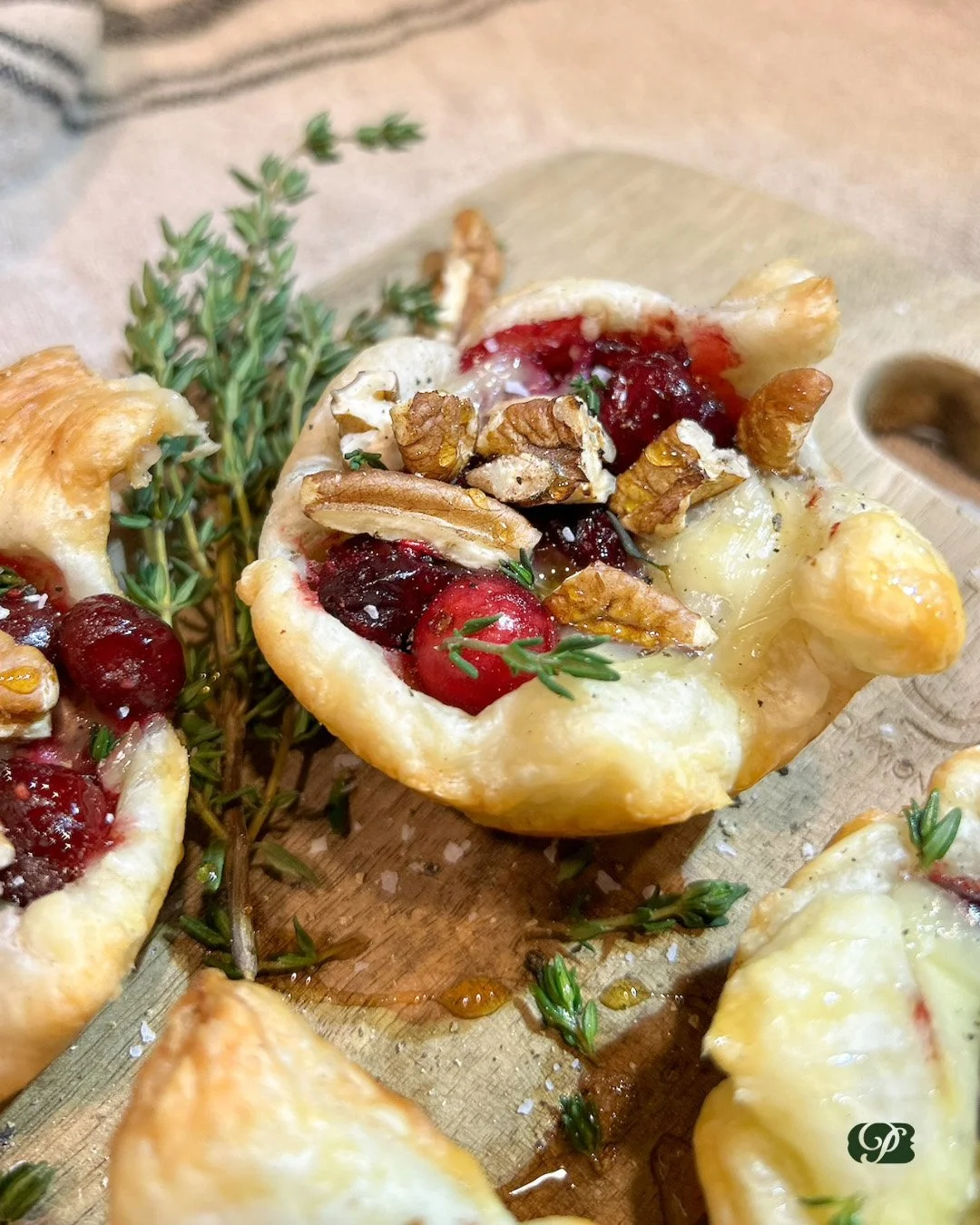
While the cranberry mixture cools, cut puff pastry into 24 small squares. Place one square into each muffin cup, allowing it to form a shallow bowl. Add a cube of brie to the center, top with salt and pepper, a tablespoon of cranberry compote, and finish with a few pecan pieces.
Bake until the puff pastry is golden brown, approximately 12–14 minutes. Allow to cool slightly before removing from the pan.
Sprinkle with flaky sea salt and fresh ground pepper. Garnish with fresh herbs and a light drizzle of honey. Serve warm.
Rely on Pecan Pieces for Your Baking & Desserts
From bakery counters to production kitchens, many businesses rely on consistent pecan pieces for baking and desserts to deliver texture, flavor, and reliability at scale.
Prime Pecan works with food businesses seeking consistent, high-quality pecans for baking, foodservice, and specialty retail. Learn more about direct delivery of Prime Pecan pecan pieces for U.S. businesses.
Frequently Asked Questions
-
Pecan pieces provide even distribution, consistent texture, and faster preparation. They eliminate in-house chopping and deliver predictable results across batches.
-
Yes. Pecan pieces are widely used in bakeries, cafés, catering operations, and foodservice kitchens because they scale well and perform consistently in both sweet and savory applications.
-
Using pre-sized pecan pieces reduces labor time, improves workflow efficiency, and supports consistent presentation—especially important in high-volume production.
-
Pecan pieces have more exposed surface area than whole halves, making proper cold storage and moisture control essential to preserve flavor, texture, and shelf life.
-
For best results, pecan pieces should be stored in temperature-controlled conditions with proper moisture protection to maintain freshness and consistent performance.
-
Yes. Pecan pieces are suitable for pastries, baked goods, dessert inclusions, toppings, spreads, and catering applications, making them highly versatile for professional kitchens.