
American Pecans in the Philippines: Why Prime Pecan Is in Manila This Week
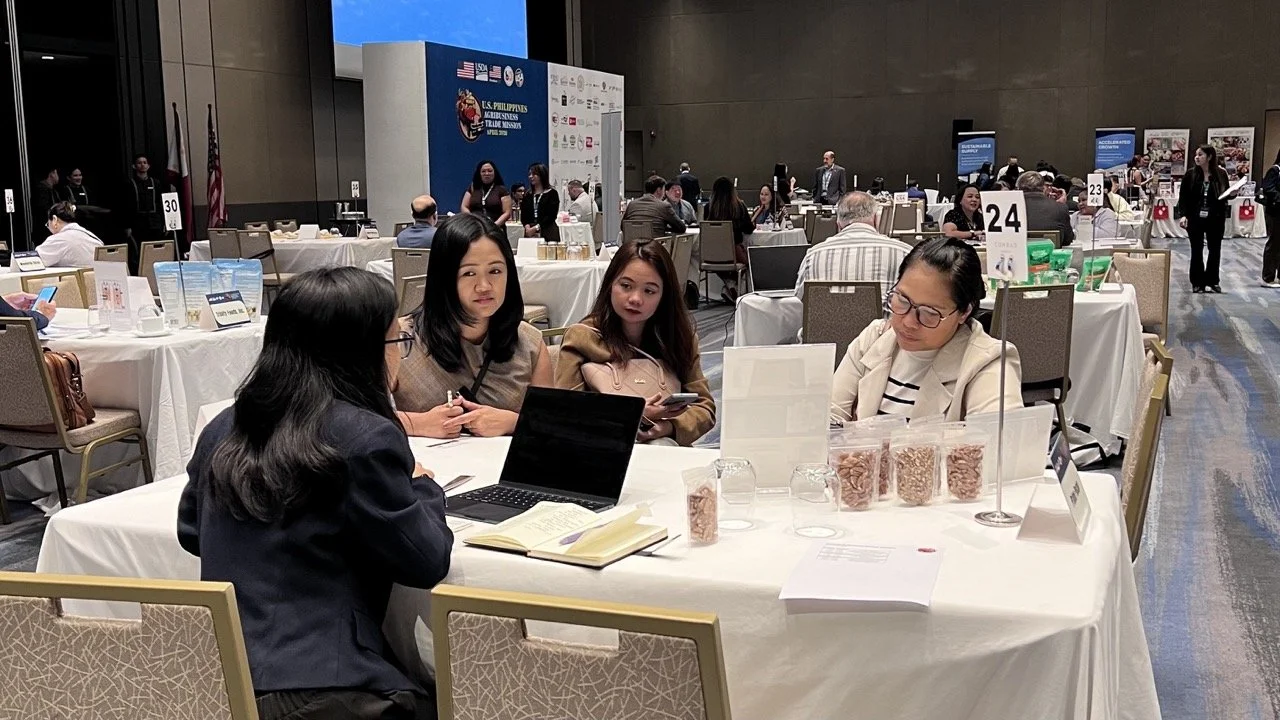
Prime Pecan is in Manila this week as part of a USDA-led trade mission because demand for premium, high-performing ingredients is rising fast in the Philippines. Prime Pecan was designed for exactly this kind of environment, and we are here to build long-term partnerships with importers, manufacturers, and foodservice operators who want better results.
April 2026 - USDA Trade Mission to the Philippines: Expanding Market Access for American Pecans
Prime Pecan is participating this week in a U.S. agricultural trade mission to Manila led by the U.S. Department of Agriculture. The mission brings together leading American agribusinesses to connect directly with Philippine buyers and expand access to high-quality U.S. food products.
The Philippines is now one of the most important growth markets for American agriculture in Southeast Asia. For pecans, this represents a timely opportunity to build supply relationships as demand begins to scale.
Philippines Food Market Trends: Rising Demand for Premium Imported Ingredients
The Philippine food market is evolving quickly:
A large, urban population driving modern retail and foodservice growth
A rising middle class with increasing purchasing power
Strong consumer preference for American brands and ingredients
Growing interest in functional, premium, and globally inspired foods
At the same time, buyers are navigating real constraints:
Inflation and rising input costs
Increasing logistics and fuel expenses
Limited cold chain infrastructure
This combination is shifting purchasing decisions.
Buyers are no longer focused on price alone—they are looking for ingredients that deliver consistent performance and value.
Challenges Importing Pecans to the Philippines: Heat, Humidity, and Shelf Life
The Philippines presents one of the most challenging environments for tree nuts:
High humidity accelerates oxidation
Warmer temperatures reduce shelf life
Long transit times stress product quality
Cold storage capacity is limited and expensive
Many of the worlds’ pecan supplies are not managed for these conditions.
As a result, pecan importers often experience:
Bitter or stale flavor
Darkened appearance
Reduced usable shelf life
Slower sell-through in retail and foodservice
For pecan buyers, this is not just a quality issue—it directly impacts margins and customer satisfaction.
Prime Pecan’s Freshness-First System: Built for Hot, Humid Export Markets
Prime Pecan engineered its handling system to address the exact challenges importers face in warm, high-humidity markets—while adding industry-leading freshness validation and origin traceability.
Our proprietary approach is designed to preserve quality from harvest through the full shelf life of the product:
Early and consistent cold storage
Processing aligned closely with shipment timing
No long-term ambient warehousing prior to export
The result is a product that performs where it matters:
Longer shelf life in warm, humid conditions
Clean, naturally sweet flavor instead of bitterness
Strong visual quality that supports retail and foodservice sales
Importantly, this system was first developed with India in mind—a market with similar climate pressures and a well-developed expectation for high-quality tree nuts. Success in that environment, where buyers can quickly recognize differences in freshness and performance, gives us strong confidence in our ability to serve Filipino buyers with the same level of excellence.
Prime Pecan in Asia: A Continued Commitment to Harvest-Fresh Quality
This trade mission is another step in Prime Pecan’s broader commitment to Asia.
Since our founding in 2024, we have focused on delivering harvest-fresh quality pecans to markets where freshness and performance matter most. Our work in India and now the Philippines reflects a long-term strategy to support importers and manufacturers across the region.
We are not entering these markets as a transactional supplier. We are building a network of partners who want to:
Improve product quality
Extend shelf life
Increase sell-through
Strengthen their brand positioning
Local Expertise in the Philippines: Supporting Importers and Food Brands
Prime Pecan is represented on the ground in Manila by Macky Macatangay.
Macky is a native of the Philippines and a member of our team who has:
Tour U.S. pecan farming and pecan processing operations
Developed expertise in pecan nutrition, freshness, and quality
Built relationships with local importers, distributors, and food businesses
Carries an understanding of the global pecan market including usage trends and buyer behavior around the world.
Her role ensures that our approach is aligned with how pecans are actually sourced, handled, and used in the Philippine market.
Partnering with Prime Pecan: A Strategic Approach for Philippine Importers
The most successful buyers in the Philippines are shifting their approach:
Importing in bulk to optimize duties
Prioritizing shelf life and performance over lowest cost
Positioning products as “affordable premium”
Working with suppliers who provide technical and market support
Prime Pecan aligns directly with this strategy.
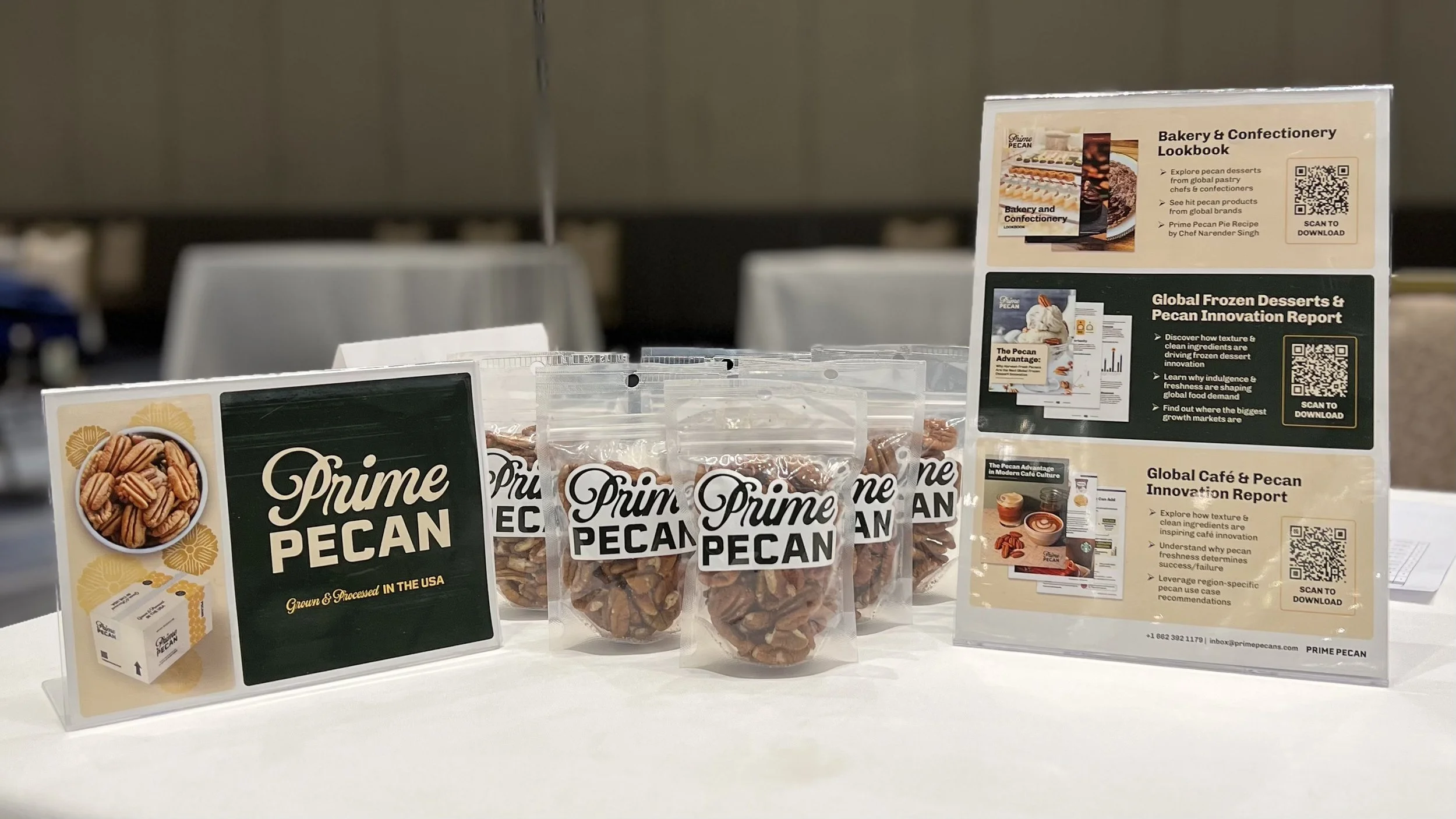
Meet Prime Pecan in Manila: Building Long-Term Supply Partnerships
This week’s trade mission is about building relationships with importers, manufacturers, and foodservice operators who are looking for a better pecan supply solution.
If you are evaluating suppliers or planning to introduce or expand pecan-based products in the Philippines, we welcome the opportunity to connect.
The goal is simple:
Deliver pecans that hold up in real conditions—and help our partners win in the market.